
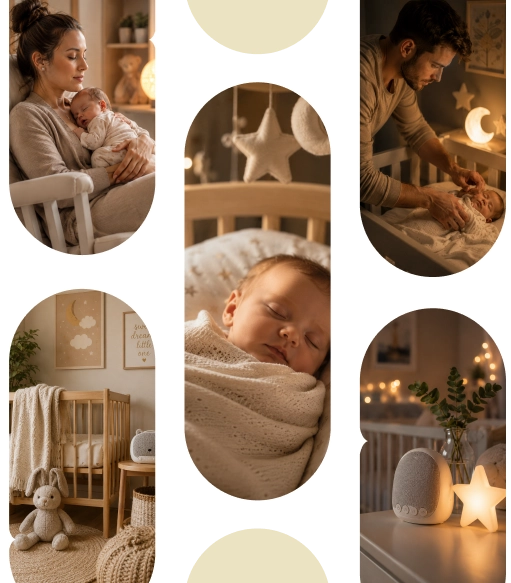
The Absolute Necessity of a Curated Infant Soundtrack
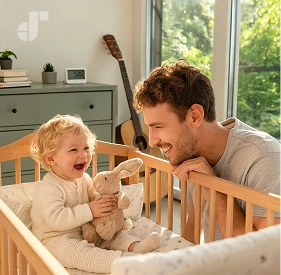
Newborns are thrust from a loud, rhythmic womb into a jarringly quiet world. Total silence is actually unnatural and terrifying to them. Introducing a consistent, low-frequency audio backdrop masks abrupt household clatter, instantly soothes their fragile nervous systems, and establishes rock-solid sleep associations that pay off for years.
Engineer the Perfect Auditory Environment for Their Routine
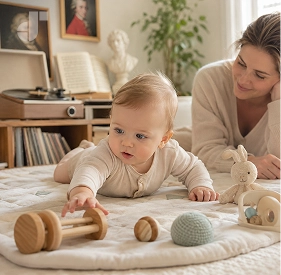
You cannot use the same audio for tummy time and bedtime. Whether you are desperately trying to survive the evening witching hour, encouraging morning smiles, or locking in a solid nap, these specific audio hubs deliver the exact frequencies required.
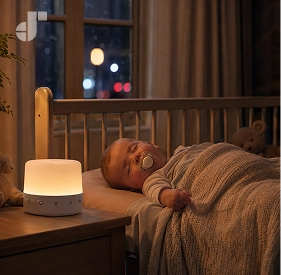
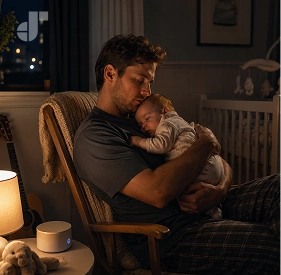
The Heavy-Duty Sleep Anthems Every Parent Relies On
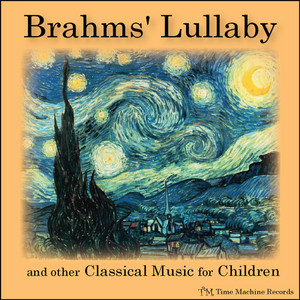
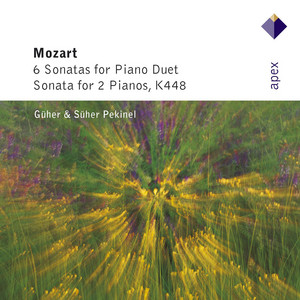
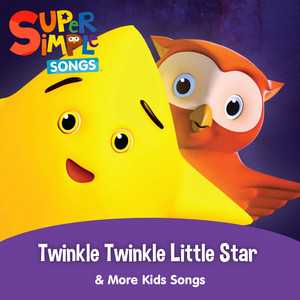
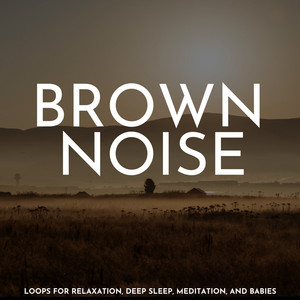
These specific arrangements are the undisputed champions of the nursery. When all else fails, hit play on these legendary tracks to instantly trigger the sleep response.


Pro Solution
Defend Their Naptime from Wi-Fi Drops
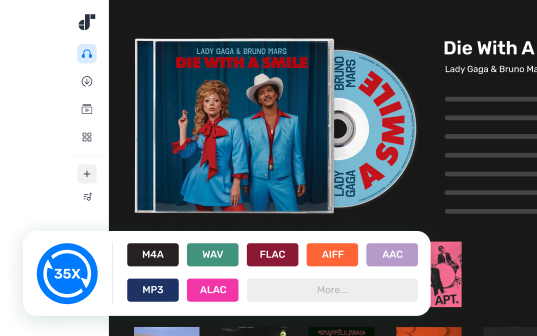
Don't let a buffering stream wake a sleeping infant. Rip their most effective sleep tracks and noise loops to pristine MP3 format. Secure offline, stutter-free playback anywhere with TuneFab.
- 320kbps Quality
- Batch Download
- 100% Secure

The Architects of Modern Nursery Audio
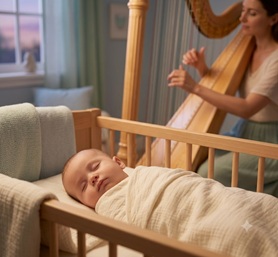
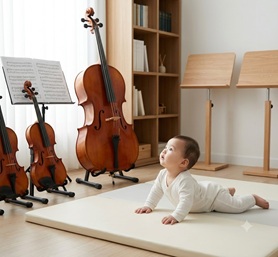
These aren't your standard pop stars. Here are the powerhouse creators and acoustic modalities dictating the modern infant soundtrack.
Leading Baby Audio Artists




Core Infant Music Genres


The Neuroscience of the Soothe: Why It Actually Works
Ever wonder why a simple shushing sound or a music box instantly stops a crying fit? It’s not magic; it’s biology.
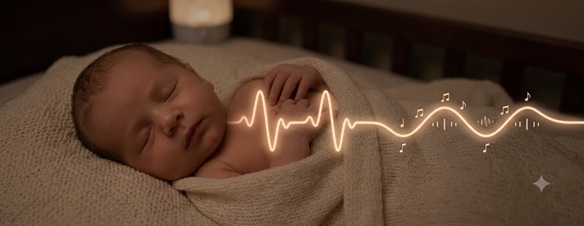
Heart Rate Synchronization
Babies are biologically wired to mirror the rhythms around them. Playing an instrumental track at 60 BPM forces their racing heart rate to subconsciously slow down and match the tempo.
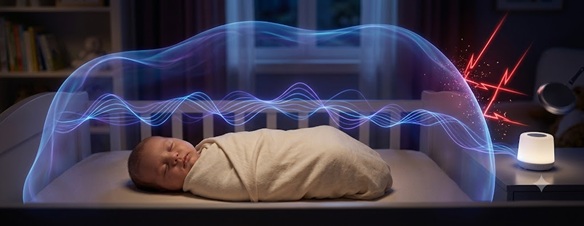
Masking the Moro Reflex
Newborns have a hyper-sensitive startle (Moro) reflex. A continuous, loud ambient drone acts as an acoustic shield, preventing sudden sharp noises (like a dropped pan) from jolting them awake.

Sensory Womb Replication
For nine months, babies lived in an environment as loud as a lawnmower. Total silence triggers anxiety. Deep, rumbling audio gives them the comforting sensory input they crave.
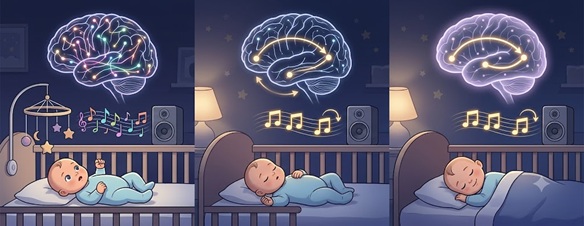
Neurological Predictability
A recognizable, repeating melody acts as a powerful environmental cue. Over time, hearing the same song literally rewires their brain to automatically initiate the sleep sequence.
How Hitting "Play" Instantly Upgrades Your Environment
Stop tiptoeing around your own house. Deploying the right acoustic environment acts as a functional tool to manipulate the reality of parenting.
Eliminates the Tiptoeing Trap
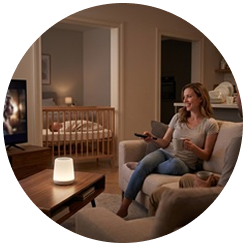
A solid white noise track raises the room's baseline volume. You can finally watch a movie, wash dishes, or talk at a normal volume without fear of waking the baby.
Halts the Evening Witching Hour

When over-tiredness peaks and inconsolable crying begins, a sudden shift in the auditory environment (like deep brown noise) can snap them out of the panic loop.
Locks in the Sleep Trigger
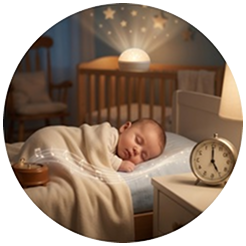
Consistency is everything. Playing the exact same lullaby every night at 7 PM builds an unbreakable Pavlovian response, drastically shortening the time it takes to put them down.
Lowers Parental Cortisol

Listening to a baby cry spikes your stress hormones instantly. Calming ambient tracks don't just soothe the child—they physically lower the parents' blood pressure during stressful nights.
Silence the Ads. Keep Them Asleep.
Nothing ruins an hour of rocking faster than a blaring audio commercial. Download pristine MP3s with TuneFab, keep your sleep playlists 100% ad-free, and defend your hard-earned rest.
FAQ
When should I start playing music for my baby?
You can start in the third trimester! Fetuses develop hearing around 18 weeks. Playing classical music or specific lullabies while pregnant can actually help them recognize and find comfort in those same songs after birth.
How loud should white noise or baby music be?
Safety first. Pediatricians recommend keeping sound machines and music at roughly 50 to 60 decibels (the volume of a gentle shower) and placing the speaker at least 7 feet away from the crib to protect developing eardrums.
Do babies eventually need to learn to sleep in total silence?
No. Total silence is unnatural and leaves them vulnerable to every creaking floorboard. However, as they transition into toddlerhood, you can gradually lower the volume of the white noise if you prefer to wean them off it.
Is classical music really going to make my baby a genius?
The "Mozart Effect" won't magically teach them calculus, but research shows that exposing infants to the complex structural patterns of classical music strongly supports spatial reasoning and early language development.
Should I leave music playing all night long?
For white or brown noise, yes—continuous play prevents wake-ups from environmental noise. But for melodic music or lullabies, it's best to use a timer to shut it off after they enter deep sleep, allowing their brain to fully rest without processing complex melodies.