


Quick Answer: What Is Sad Music?
Sad music is a style of emotionally expressive music often characterized by slower tempos, softer instrumentals, emotional lyrics, and reflective melodies. People commonly listen to sad music during moments of heartbreak, loneliness, emotional healing, late-night reflection, or quiet relaxation.
Sad music can include genres like Emotional pop, Indie ballads , Piano instrumentals, Acoustic music, Lo-fi melancholy, Slow R&B and Ambient emotional soundtracks. Unlike energetic or upbeat playlists, sad music focuses more on emotional depth, vulnerability, and introspection.
Find the Right Sad Music Playlist for Every Mood
Not all sad music sounds the same. Some playlists are designed for quiet reflection, while others help with emotional healing, late-night listening, or simply slowing down after a busy day.



Iconic Sad Songs That Listeners Always Return To
Certain songs capture heartbreak, nostalgia, and vulnerability so well that listeners continue to revisit them year after year. These emotional classics have earned a lasting place in sad music playlists around the world.


Pro Solution
Keep Emotional Songs Close
Save your favorite sad songs and emotional playlists for late nights, reflection, and quiet moments. Listen offline whenever the music means the most.
- 320kbps Quality
- Batch Download
- 100% Secure


Artists & Genres Related to Emotional Sad Music
From intimate acoustic singers to atmospheric indie artists, these musicians are known for creating emotionally honest music that resonates during reflective and vulnerable moments.
Sad Music Artists




Sad Music Genres


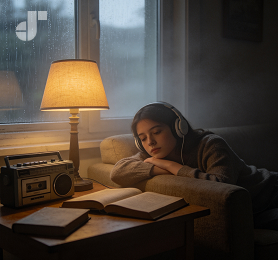

What Defines Sad Music?
Sad music differs from upbeat or energetic genres because it focuses more on emotional depth, introspection, vulnerability, and atmosphere rather than excitement or stimulation. Many emotional songs intentionally create space for reflection and emotional connection.

Slower Tempos Create a More Reflective Mood
Sad music often uses slower rhythms and softer pacing that encourage calmness and emotional focus.

Lyrics Focus on Personal Feelings
Heartbreak, loneliness, healing, memory, and self-reflection are common themes in sad music playlists.

Minor Chords Sound More Emotional
Many emotional songs rely on minor-key melodies, which naturally create feelings of melancholy, tension, or nostalgia.

Instrumentals Tend to Feel Softer and More Atmospheric
Piano, acoustic guitar, ambient textures, and subtle production are frequently used to create emotional intimacy.
Why People Listen to Sad Music
People do not only listen to sad music when they feel unhappy. Emotional music is often used to process feelings, relax mentally, reflect quietly, or simply connect with meaningful lyrics and melodies.
Process Emotions More Naturally

Sad songs often help listeners express emotions they may struggle to explain in words, especially during stressful or emotional periods.
Feel Less Alone

Emotionally honest lyrics and vulnerable vocals can create a strong sense of connection and emotional understanding.
Create a Calm Late-Night Atmosphere

Many people use soft sad music during nighttime routines, journaling, reading, or quiet personal moments.
Add Emotional Depth to Creative Work

Writers, artists, and creators often use emotional music to enhance concentration and creative thinking.
Never Lose Your Favorite Songs
Heartbreak playlists, piano ballads, and emotional tracks deserve a permanent place in your library. Download and keep them with TuneFab.
FAQs About Sad Music
What genres are common in sad playlists?
Indie folk, emotional pop, piano music, ambient music, lo-fi, and acoustic ballads are all common choices.
Does sad music always make people feel worse?
Not necessarily. Many people find emotional music comforting, calming, or emotionally healing.
What are the best sad songs for late-night listening?
Soft indie songs, piano ballads, lo-fi playlists, and emotional acoustic tracks are especially popular at night.
Can sad music help with emotional healing?
For many listeners, emotional playlists help support reflection, acceptance, and emotional processing during difficult periods.