

The Real Reason You Need a High-Voltage Soundtrack
Dance music is not background noise—it is a raw, physical experience. The relentless thumping of a four-on-the-floor beat bypasses your conscious brain, forcing your body to sync with the rhythm. Whether you need a massive surge of energy for a workout, or you're throwing a massive house party, this is the sonic fuel that dictates the entire vibe of the night.
Deploy the Exact Sonic Atmosphere for Your Party
You don't drop underground techno at a sunny pool party. Every specific vibe requires a violently different acoustic weapon. From peak-time festival bangers to 3 AM chillout sessions, these curated hubs deliver exactly what your crowd is begging for.




The Heavyweight Tracks Guaranteed to Ignite the Dancefloor
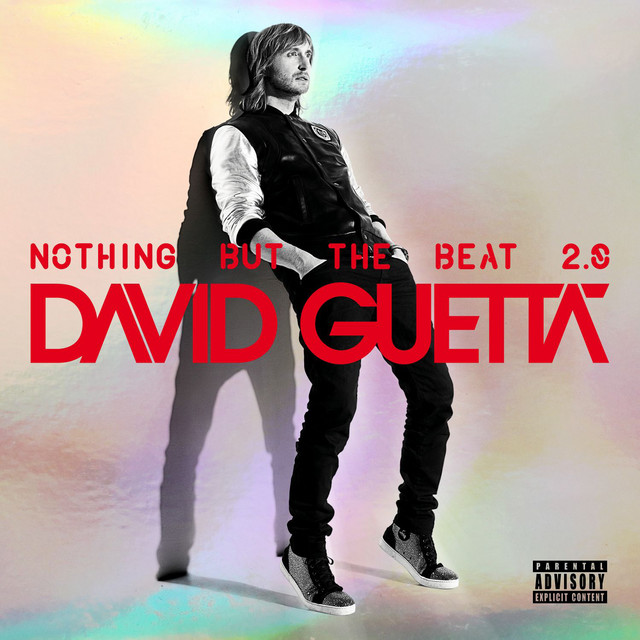
These specific electronic weapons are the undisputed titans of the club scene. When the energy dips, drop one of these legendary anthems to instantly revive the crowd.





Pro Solution
Cut the Wi-Fi. Keep the Rave Alive.
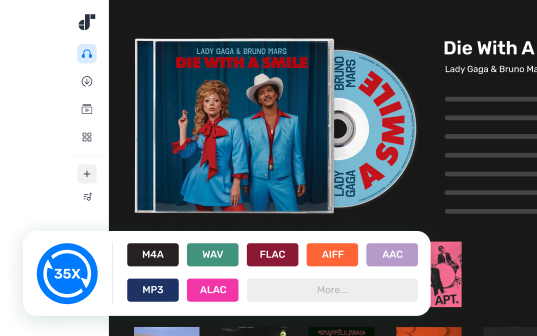
Don't let a buffering stream murder the vibe at the peak of the night. Rip the heaviest club anthems to pristine MP3 format. Secure offline, stutter-free playback anywhere with TuneFab.
- 320kbps Quality
- Batch Download
- 100% Secure

The Architects Dictating Global Club Culture
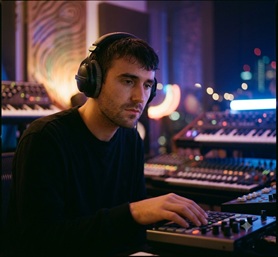
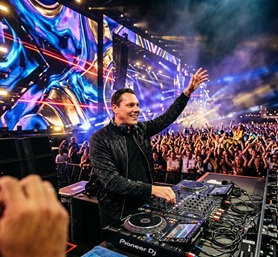
If you step onto a dancefloor in 2026, these are the masterminds pulling the strings. Here are the powerhouse DJs defining the modern electronic soundscape.
Leading Dance Artists


Core Electronic Music Genres



The Science of the Drop: Why It Hijacks Your Brain
Ever wonder why a specific bassline makes you lose your mind? Producers aren't guessing; they are exploiting human neurology.
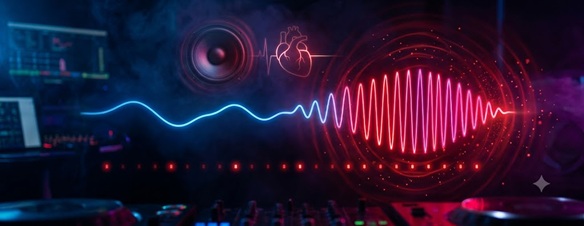
The 128 BPM Sweet Spot
Most house music sits between 120-128 beats per minute. This specific tempo slightly exceeds the human resting heart rate, subconsciously tricking your brain into a state of physical arousal and excitement.

Tension and Release (The Drop)
By removing the bass and raising the pitch during a "build-up," producers starve your brain of the groove. When the bass finally slams back in (the drop), your brain releases a massive tsunami of dopamine.

Sub-Bass Frequencies
Club sound systems push frequencies below 40Hz. You don't just hear these low notes—you physically feel them vibrating in your chest cavity, making the music a tactile experience.

Hypnotic Repetition
Electronic music heavily loops the same 4-bar phrases. This intentional repetition shuts down the analytical part of your brain, allowing you to enter a psychological flow state on the dancefloor.
How Hitting "Play" Instantly Rewires the Room
Stop begging people to dance. Deploying the right electronic track acts as a functional tool to manipulate the reality of your party.
Forces Physical Movement

You literally cannot stand perfectly still to a good tech-house groove. The driving kick drum commands involuntary head-nodding and foot-tapping from everyone in the room.
Creates Collective Euphoria

When a massive drop hits and 50 people jump at the exact same time, it triggers "collective effervescence"—a profound psychological bonding experience with complete strangers.
Erases Mental Fatigue

Had a brutal week? The aggressive sensory overload of loud electronic music drowns out internal monologue and anxiety, acting as a massive reset button for your stress levels.
Shifts the Energy Instantly

A dying party can be resurrected in 30 seconds. Switching from passive background music to a heavy club anthem instantly signals to the room that it is time to turn up.
Silence the Ads. Keep the Floor Moving.
Nothing empties a packed dancefloor faster than a screaming audio commercial. Download pristine MP3s with TuneFab, keep your party playlists 100% ad-free, and defend the vibe.
FAQ
What is the difference between EDM and House music?
EDM (Electronic Dance Music) is a broad umbrella term, but often refers to the aggressive, commercial "Big Room" festival sound. House is a specific subgenre characterized by a slower groove, 4/4 beats, and a deeper, more rhythmic focus rather than massive drops.
Why does dance music sound so much better in a club?
It’s all about the subwoofers. Standard headphones cannot reproduce extreme sub-bass frequencies. Club sound systems are engineered to push air so hard that you physically feel the bassline in your chest, which fundamentally changes how you experience the track.
What is the scientifically best BPM for working out to dance music?
To push your physical limits during cardio, aim for Drum & Bass, Hardstyle, or fast Techno sitting between 150 and 175 BPM. This tempo forces a rapid cadence, distracting you from physical fatigue.
Why do electronic songs have such long, boring intros?
Those 64-beat intros with just a simple drum kick aren't for the listeners—they are tools for the DJ. It gives them the exact amount of time needed to beatmatch and seamlessly blend the track into the previous song without trainwrecking the mix.
Do DJs actually do anything live, or just press play?
While festival sets are often heavily pre-planned for lighting sync, real club DJs are constantly reading the crowd, actively EQing (mixing bass/treble), looping vocals, and layering tracks live to manipulate the energy of the room in real-time.