Curated Relaxing Music for Kids: How to Choose & Top Playlists 2026
-
 Fall Asleep Faster
 -
Reduce Anxiety
-
Improve Focus
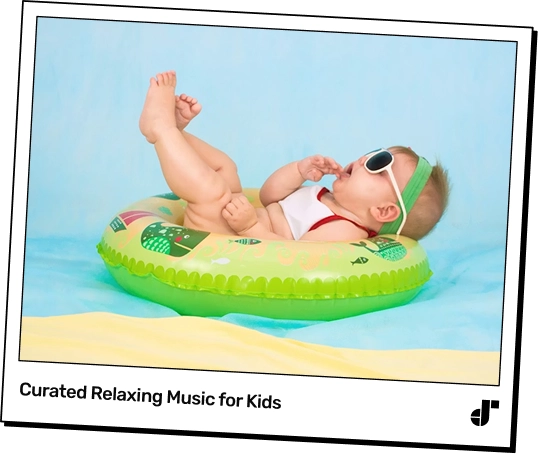
Quick Guide: Relaxing Music for Kids
- Best for: Parents, teachers, and caregivers seeking to reduce anxiety or improve sleep.
- Key Features: Low BPM (60-80), melodic simplicity, and absence of jarring transitions.
- Scenarios: Bedtime routines, classroom "quiet time," and long car rides.
- Benefit: Scientific studies show that rhythmic, soft music lowers cortisol levels in children, aiding emotional regulation and cognitive focus.
Top Picks: Relaxing Tracks for Children
01Moonlit Dreamscape
Solo Piano
Sleep
+



02Forest Breath
Relief
Anxiety
Nature Sounds
+

03Starlight Lullaby
Music Box
Infant Safe
+
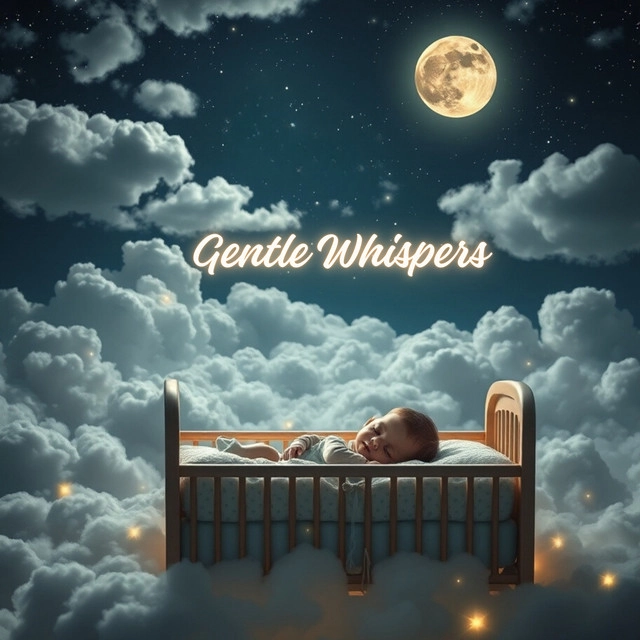
04Floating on Clouds
Ambient
Classroom
Quiet Time
+

05Gentle Waves
Acoustic
Guitar
Travel
+

Pro Solution
No Ads. No Buffering. Just Pure Calm.
Sudden ads can ruin a child's Zen moment. Use TuneFab to convert your favorite playlists into high-quality, offline MP3s for an uninterrupted, ad-free experience.
- 320kbps Quality
- Batch Download
- 100% Secure


Why Relaxing Music Matters for Kids
Children’s developing nervous systems are easily overstimulated by screens and noisy environments. Rhythmic, predictable music provides an "auditory safety net," helping them decompress during classroom quiet times, long car rides, or bedtime routines.

Not every slow song is suitable for a child’s developing nervous system. It requires biological synchronization.


Simon D
Behavior Consultant
Bedtime
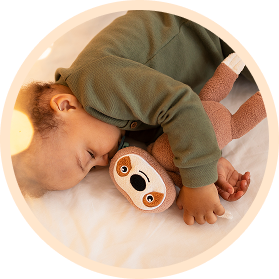
Falling asleep can be difficult for energetic kids. Gentle, calming music slows the heart rate and creates a bedtime signal, helping children relax, fall asleep faster, and reduce nighttime fears.
"Quiet Time" in Classrooms
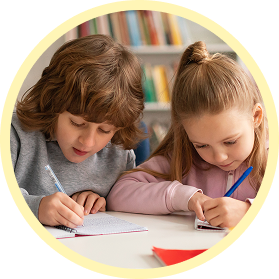
Many schools use “Quiet Time” to help students reset. Soft instrumental music calms children after activities, improves focus, and works well for kids who find silence uncomfortable or distracting.
Stress-Free Car Rides

Busy traffic during school runs can stress children. Playing relaxing acoustic or nature sounds creates a calm space, reduces emotional outbursts, and turns travel time into a more enjoyable experience.
How We Scientifically Curate for Young Ears
At TuneFab Library, our music experts and child development consultants follow a rigorous "Triple-S" (Safety, Simplicity, Soothing) framework to ensure every track in our playlists provides the ultimate relaxation experience.
Calm Tempo
We choose music matching a resting heart rate (60-80 BPM), helping children slow breathing, relax naturally, and enter a calm state after busy days.
Simple Patterns
We use predictable melodies and avoid sudden changes, giving children a sense of comfort, safety, and emotional stability while listening.
Soft Sounds
We remove harsh high frequencies and use warm, natural tones like piano, guitar, and nature sounds for a gentle listening experience.
No Vocals
We select instrumental music only, avoiding lyrics that can stimulate thinking, helping children relax, focus better, or fall asleep more easily.
Pro Tips for a Calmer Environment for Kids
To ensure the music serves its purpose without causing distraction or auditory fatigue, follow these simple technical and practical audio tips.
01

Monitor the Volume
Keep relaxing music low and in the background. A soft volume under 50-60 decibels helps prevent sensory overload while keeping the atmosphere calm and comfortable.
02

Enable Gapless Playback
Avoid gaps or clicks between tracks. Enable gapless playback to maintain a smooth, continuous sound flow that supports steady relaxation without sudden interruptions.
03

Avoid Bluetooth Drops
Wireless speakers may interrupt playback with delays or sounds. Use a wired connection or stay within strong signal range for a stable, uninterrupted listening experience.
04

Set a Sleep Timer
Use a sleep timer to fade out music after 30 to 60 minutes. This helps children fall asleep while allowing natural silence during deeper sleep stages.
05

High-Quality, Ad-Free Audio
Use high-quality audio files like 320kbps MP3 or FLAC. This reduces harsh sounds and ensures smooth playback, while ad-free sources prevent sudden, disruptive interruptions.
Frequently Asked Questions about Relaxing Music for Kids
What is the best type of relaxing music for toddlers to sleep?
For toddlers, the best choices are instrumental lullabies, solo piano, or soft acoustic guitar. We recommend avoiding tracks with lyrics or sudden orchestral swells. Music that mimics a resting heart rate (around 60 BPM) is scientifically proven to help toddlers transition into deep sleep more effectively.
Can relaxing music help children with ADHD focus on homework?
Yes. Many parents and teachers in the US and Europe use ambient soundscapes or low-fidelity (Lo-fi) beats to provide a consistent auditory background. This "pink noise" effect can mask distracting household sounds, helping children with ADHD maintain "flow" during cognitive tasks.
Is it safe to play music for my child all night long?
While safe, many experts suggest using a sleep timer. Playing music for 30–60 minutes helps a child fall asleep, but constant sound throughout the night may interfere with the brain's ability to enter the deepest restorative stages of sleep. Using a fade-out effect is the most balanced approach.
How loud should relaxing music be for a child's room?
The volume should be kept at a background level, typically between 45 and 55 decibels. A good rule of thumb: if you cannot comfortably have a whispered conversation over the music, it is too loud for a relaxation or sleep scenario.
Why should I avoid playing music with ads for my kids?
Sudden, loud advertisements during a relaxing playlist can cause a startle response, spiking a child's cortisol levels and instantly ruining the calming effect. For a truly seamless experience, it is highly recommended to use ad-free, offline MP3s or high-quality downloads.
Can I download these kids' playlists for offline use on an MP3 player?
Absolutely. Using a professional tool like TuneFab, you can convert your favorite streaming playlists into high-quality, 320kbps MP3 files. This is ideal for children's dedicated audio devices, ensuring they can enjoy their "Zen Zone" without needing a Wi-Fi connection or a screen.