Curated ADHD Music: How to Choose & Top Playlists 2026
-
 ADHD Focus
 -
Brown Noise
-
Deep Work
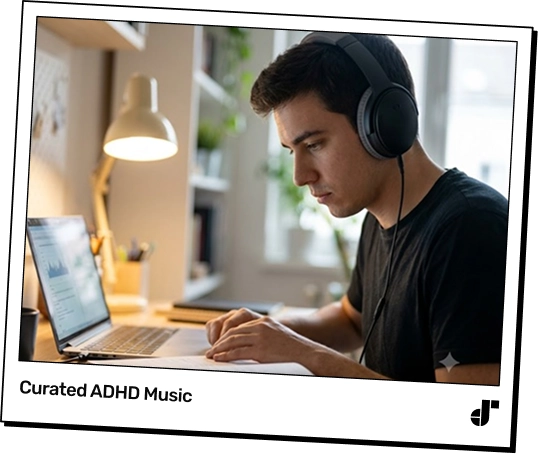
Quick Guide: ADHD Music
- Best for:People with ADHD traits, focus difficulties, task-switching challenges, or a need for steady background sound during work and study.
- Key Features:Minimal lyrics, steady repetition, brown noise, binaural beats, lo-fi textures, and low-stimulation sound design.
- Scenarios:Studying, coding, writing, cleaning, homework, Pomodoro sessions, remote work, and task initiation.
- Benefit:It may help reduce distractions, support cognitive flow, and make long or boring tasks feel easier to start and sustain.
Top Picks: ADHD Focus Music
01Brown Noise for ADHD Focus
Brown Noise
ADHD Focus
+


02Brown Noise for Deep Concentration
ADHD Focus
Long Session
+
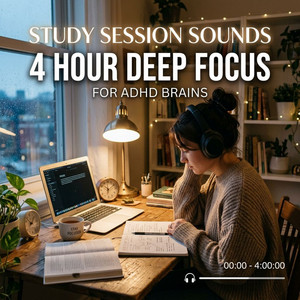
03Music for Airports: 1/1
Ambient
Low Distraction
+

04A Walk
Electronic
Productivity Flow
+

05Weightless
Ambient
Calm Focus
+

Pro Solution
Build a Distraction-Free ADHD Playlist
Save ADHD-friendly focus music and enjoy smoother study, work, cleaning, or deep-focus sessions without sudden interruptions.
- 320kbps Quality
- Batch Download
- 100% Secure

Why ADHD Music May Support Focus
ADHD music may support focus by creating a predictable sound environment that reduces background distractions, helps with task rhythm, and makes it easier to stay engaged during repetitive or demanding work.

For many people with ADHD, the right background sound can act as an external structure: it reduces distracting silence or noise, supports task rhythm, and helps make focus feel more manageable.


Ari Tuckman
ADHD Executive Function Specialist
Reduce Environmental Distractions

Steady sound can mask small background noises that might otherwise pull attention away from the current task.
Support Task Initiation

A familiar focus playlist can act as a start cue, making it easier to begin studying, cleaning, writing, or working.
Maintain Mental Rhythm

Repetitive, low-stimulation audio can help create a steadier pace during long or boring tasks.
How We Choose the Best ADHD Music
Every track in this ADHD music playlist is selected based on low-distraction listening principles, focus-session usability, and common ADHD-friendly audio preferences such as steady rhythm, noise masking, and reduced lyrical interference.
Low Cognitive Load
We prioritize tracks with minimal lyrics, predictable structures, and simple sound layers so the music does not compete with reading, writing, or problem-solving.
Steady Repetition
Repetitive beats, brown noise, and ambient loops are useful because they reduce novelty and help the brain settle into a consistent task rhythm.
Balanced Stimulation
We avoid music that is too sleepy or too intense, choosing tracks that provide enough stimulation to stay engaged without becoming distracting.
Long-Session Compatibility
Selections are chosen to work for Pomodoro blocks, study sessions, cleaning routines, coding, or deep work without requiring frequent track changes.
Pro Tips for for Using ADHD Music
Using ADHD music intentionally can make it more effective as a focus support tool, especially when paired with clear routines and simple task structures.
01

Match Audio to Task Type
Use brown noise or ambient sound for reading and writing, lo-fi for light study, and steady electronic tracks for cleaning, coding, or repetitive tasks.
02

Start Music Before the Task
Press play before opening documents, textbooks, or work apps so the sound becomes a simple cue to begin rather than another decision to make.
03

Avoid Playlist Hopping
Choose one playlist before starting a focus block to reduce the risk of spending more time searching for music than doing the task.
04

Use Timed Focus Blocks
Pair ADHD music with Pomodoro timers or 25–50 minute work sessions to create a clear start, middle, and stop point.
05

Put Familiar Songs on Loop
Listening to a single familiar song on repeat can act as an "audio anchor." Because your brain already knows what comes next, it stops actively listening to the music and uses the steady rhythm to lock into the task.
Frequently Asked Questions about ADHD Music
What is ADHD music?
ADHD music usually refers to low-distraction background audio such as brown noise, binaural beats, lo-fi, ambient music, or instrumental tracks used to support focus.
Does ADHD music really help focus?
It may help some people by masking distractions and creating a steadier work environment, but results vary by person and task type.
Is brown noise good for ADHD?
Brown noise is popular among ADHD listeners because its deeper sound can mask distractions, though ADD.org notes that it remains an underexplored productivity tool rather than a proven treatment.
Are binaural beats good for ADHD focus?
Some listeners find binaural beats helpful, but current evidence is mixed; they may work best as part of a consistent focus routine rather than as a guaranteed solution.
Should ADHD music have lyrics?
For reading, writing, and studying, instrumental or low-lyric music usually works better because lyrics can compete with verbal processing.