Calming Music for Classroom: How to Choose & Top Playlists 2026
-
 Focused Classroom
 - Peaceful Classroom
- Calming Music
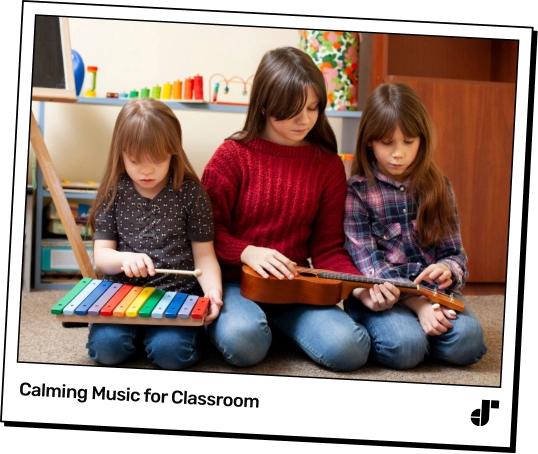
Quick Guide: Calming Music for Classroom
- Best for: Best for teachers and students who need improved concentration, reduced classroom noise, and a calmer learning atmosphere during study or group activities.
- Key Features: Slow tempo, instrumental composition, no lyrics, and consistent low-intensity sound to avoid distraction.
- Scenarios: Classroom study sessions, reading time, exams, group work, and transition periods between lessons.
- Benefit:It helps improve focus, reduce behavioral disruptions, and create a more structured and emotionally balanced classroom environment.
Top Picks: Calming Classroom Music
01Gymnopédie No.1
Classical
Piano
+



02Comptine d’un autre été
Piano
Neo-Classical
+

03River Flows in You
Piano
Emotional
+

04Morning Light
Lo-fi
Chillhop
+

05Weightless
Ambient
Therapeutic
+
Pro Solution
Create a More Focused Classroom Environment
Download and use calming music for classroom settings to improve student concentration, reduce noise distractions, and support better learning outcomes.
- 320kbps Quality
- Batch Download
- 100% Secure

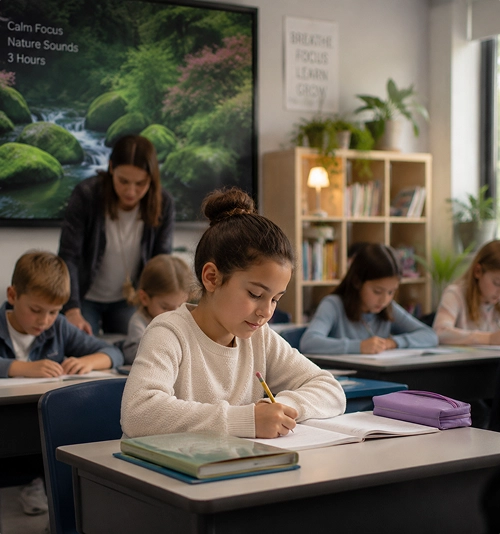
Why Calming Music Improves Classroom Learning
Calming background music helps regulate classroom energy levels, improves emotional stability, and supports sustained attention during academic tasks.

Calming background music can help regulate arousal levels in students, reduce cognitive overload, and create a more stable attention environment for learning. When used appropriately, it supports both focus and emotional regulation in classroom settings.


Jonathan Miller
EdD in Educational Psychology
Focused Learning Time

Soft instrumental music helps students maintain concentration during reading, writing, and independent study activities.
Behavior & Noise Control
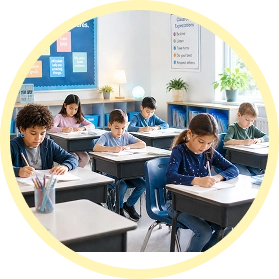
Consistent background sound can reduce disruptive behavior by creating a calmer and more structured classroom atmosphere.
Transition Periods

Music helps smooth transitions between activities, reducing chaos and helping students shift attention more easily.
How We Choose the Best Calming Music for Classroom
All classroom playlists are curated using cognitive learning principles, classroom management research, and auditory comfort standards.
Low Cognitive Load
We select music that avoids lyrical content and complex structures to prevent distraction during learning.
Stable Tempo
Only slow, consistent rhythms are used to maintain a steady emotional and behavioral environment.
Neutral Emotional Tone
We avoid overly emotional or dramatic tracks that may shift student attention away from learning tasks.
Background-Friendly Mixing
Tracks are selected to remain unobtrusive, ensuring they support learning without competing for attention.
Pro Tips for Using Music in the Classroom
Proper use of background music can significantly enhance its effectiveness in educational environments.
01

Keep Volume Low
Music should always remain in the background and never overpower instruction or discussion.
02

Use During Specific Activities
Use calming music during independent work, reading time, or group tasks rather than direct instruction.
03

Avoid Sudden Audio Changes
Maintain consistent playlists to prevent distraction caused by unexpected transitions.
04

Match Music to Activity Type
Use softer tracks for reading and slightly more structured ambient music for group collaboration.
05

Ensure Ad-Free Playback
Avoid interruptions from ads that may disrupt classroom focus and student attention.
Frequently Asked Questions about Calming Music for Classroom
What is the best calming music for classroom focus?
Instrumental music with slow tempo and no lyrics, such as piano or ambient soundscapes, is best for maintaining student concentration.
Does music improve student concentration?
Yes, background music can reduce distractions and help students stay focused on repetitive or reading-based tasks.
Can calming music reduce classroom disruptions?
Yes, it helps create a more stable environment that can reduce noise and behavioral interruptions.
Should classroom music have lyrics?
No, lyrics can interfere with comprehension and should generally be avoided in classroom settings.
Can I use calming music in virtual classrooms?
Yes, it is commonly used in online learning environments to improve focus and reduce background noise distractions.