
Classical Music for Sleeping: How to Choose & Top Playlists 2026
-
 Deep Sleep
 - Classical Calm
- Bedtime Relaxation

Quick Guide: Classical Music for Sleeping
- Best for: People who have difficulty falling asleep, experience nighttime stress, or want a calming bedtime routine.
- Key Features: Slow tempo, instrumental performances, soft dynamics, and minimal rhythmic changes.
- Scenarios: Bedtime relaxation, meditation, afternoon naps, stress recovery, and overnight background listening.
- Benefit:It helps reduce mental stimulation, ease tension, and support deeper, more restful sleep.
Top Picks: Classical Music for Sleeping
01Nocturne in E-flat Major, Op. 9 No. 2
Romantic
Piano
+



02Spiegel im Spiegel
Contemporary Classical
Minimal
+

03Ave Maria
Classical
Vocal
+

04Pavane, Op. 50
Classical
Orchestral
+

05Clair de Lune
Impressionist
Piano
+

Pro Solution
Fall Asleep with Timeless Classical Music
Download and create a peaceful bedtime routine with carefully selected classical sleep music that helps you relax, unwind, and enjoy uninterrupted rest.
- 320kbps Quality
- Batch Download
- 100% Secure



Why Classical Music Helps You Sleep Better
Classical music promotes relaxation by slowing physiological activity and creating a stable listening environment.

Slow, predictable classical music can encourage relaxation by reducing physiological arousal and helping the brain transition into a calmer state before sleep.


Michael Breus
Clinical Psychologist
Calm the Nervous System
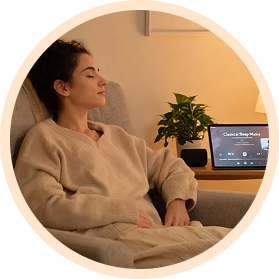
Slow tempos and gentle harmonies help reduce physiological arousal, preparing the body for sleep.
Reduce Mental Activity
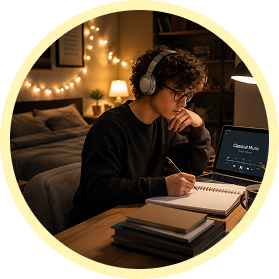
Instrumental classical music provides a peaceful auditory focus that can lessen nighttime overthinking.
Support Healthy Sleep Routines
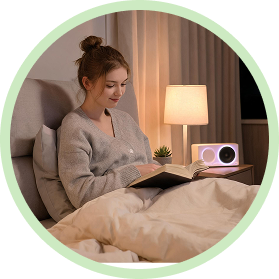
Listening to calming music consistently before bed can reinforce healthy sleep habits over time.
How We Choose the Best Classical Music for Sleeping
Every track in this collection is selected using principles from sleep research, music psychology, and classical performance practice to create a playlist that supports genuine relaxation rather than simply sounding quiet.
Slow Tempo
We prioritize pieces with naturally slow tempos that encourage slower breathing and a gradual reduction in mental activity before sleep.
Gentle Dynamics
Selected performances avoid sudden crescendos or dramatic orchestral contrasts, maintaining a consistently calm listening experience.
Instrumental Focus
Most tracks feature piano, strings, or chamber ensembles without distracting lyrics, allowing the mind to relax more naturally.
Proven Bedtime Favorites
Many selections have remained popular for decades among sleep playlists because listeners consistently associate them with relaxation and emotional comfort.
Pro Tips for Sleeping with Classical Music
Using classical music intentionally can significantly improve its effectiveness as part of your nighttime routine.
01

Start Before Bedtime
Begin your playlist 20–30 minutes before sleep to give your body time to gradually unwind.
02

Keep the Volume Soft
Low-volume playback creates a calming atmosphere without overstimulating sensitive hearing during the night.
03

Choose Continuous Playback
Gapless playback helps maintain relaxation by preventing sudden silence or abrupt transitions between tracks.
04

Build a Consistent Routine
Listening to the same calming playlist each night helps your brain associate the music with bedtime.
05

Enjoy Ad-Free Listening
Offline or uninterrupted playback prevents unexpected ads or notifications from disrupting your relaxation.
Frequently Asked Questions about Classical Music for Sleeping
Does classical music really improve sleep?
Many studies suggest that relaxing classical music can reduce stress, slow heart rate, and improve overall sleep quality when used consistently.
Which composers are best for sleep music?
Composers such as Debussy, Satie, Chopin, Fauré, and Arvo Pärt are widely recommended for their calm and soothing compositions.
Should classical sleep music have vocals?
Instrumental music is generally preferred because it minimizes cognitive stimulation and is less likely to interrupt relaxation.
How long should I listen before sleeping?
Most sleep experts recommend listening for about 20 to 45 minutes before bedtime, although some people prefer overnight playback at a low volume.