
Classical Music for Studying: How to Choose & Top Playlists 2026
-
 Enhance Productivity
 - Mental Clarity
- Deep Concentration

Quick Guide: Classical Music for Studying
- Best for: Students, professionals, and anyone who needs improved concentration, deep work focus, or a distraction-free study environment.
- Key Features: Instrumental composition, stable rhythm, minimal emotional fluctuation, and no lyrical content.
- Scenarios: Exam preparation, reading, writing assignments, deep work sessions, and library study environments.
- Benefits: It helps enhance concentration, improve information retention, and support longer periods of uninterrupted productivity.
Top Picks: Classical Study Tracks
01Für Elise
Classical
Piano
+



02Clair de Lune
Piano
Impressionist
+

03The Four Seasons: Spring
Baroque
Orchestral
+

04Canon in D
Baroque
Chamber
+

05Nocturne Op.9 No.2
Romantic
Piano
+

Pro Solution
Focus Better with Classical Study Music
Download and use classical music for studying to improve concentration, reduce distractions, and create a productive environment for learning or deep work.
- 320kbps Quality
- Batch Download
- 100% Secure


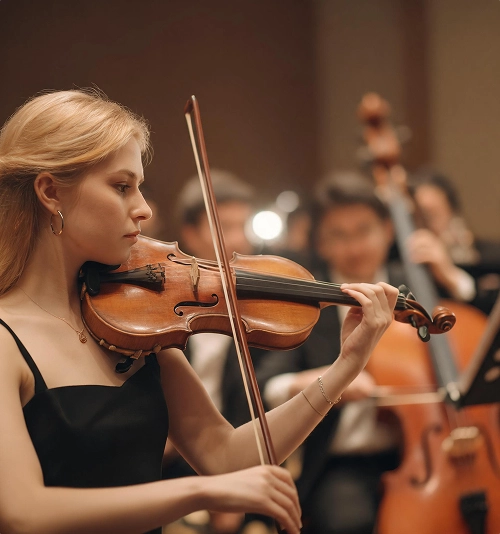
Why Classical Music Improves Studying
Classical music enhances cognitive performance by providing a structured auditory background that helps the brain maintain focus while reducing environmental distractions.

"The absence of lyrics reduces verbal processing load, allowing the brain to allocate more resources to reading and analytical tasks."


Rebecca Lawson
PhD in Cognitive Psychology
Deep Focus Sessions

Slow, instrumental compositions help the brain maintain steady attention during long study or work periods.
Reduced Distraction

The absence of lyrics minimizes verbal interference, making it easier to process reading and writing tasks.
Cognitive Flow State

Classical music supports a stable mental rhythm that can help users enter a flow state more easily during demanding tasks.
How We Choose the Best Classical Music for Studying
All classical study tracks are curated based on cognitive science principles, historical usage in learning environments, and auditory neutrality.
Instrumental Purity
We prioritize purely instrumental compositions without vocal elements to avoid cognitive distraction.
Stable Structure
We select music with consistent rhythm and predictable progression to support sustained attention.
Low Emotional Volatility
We avoid overly dramatic or emotionally intense pieces that could disrupt concentration.
Academic Compatibility
We include works widely used in academic, library, and deep work environments for proven productivity support.
Pro Tips for Studying with Classical Music
Using classical music effectively can significantly improve learning efficiency and focus retention.
01

Keep Volume Moderate
Music should remain in the background and never compete with cognitive tasks.
02

Match Music to Task Difficulty
Use slower compositions for reading and lighter Baroque pieces for repetitive tasks.
03

Avoid Frequent Track Changes
Consistent playlists help maintain cognitive continuity during study sessions.
04

Use During Deep Work Only
Classical music is most effective during focused tasks, not during active discussion or problem-solving requiring verbal reasoning.
Frequently Asked Questions about Classical Music for Studying
Does classical music really help you study?
Yes, classical music can improve focus and reduce distractions, making it easier to concentrate on reading and analytical tasks.
Which classical music is best for studying?
Instrumental pieces with slow to moderate tempo, such as Mozart, Beethoven, and Debussy, are most effective.
Can classical music improve memory?
It may support memory retention by reducing cognitive overload and improving attention stability during learning.
Should classical music have lyrics for studying?
No, lyrics can interfere with reading comprehension and should generally be avoided.
Is classical music better than lo-fi for studying?
It depends on preference—classical music offers structured focus, while lo-fi provides a more relaxed ambient environment.