Relaxing Music for Anxiety: How to Choose & Top Playlists 2026
-
 Anxiety Relief
 -
Stress Calm
-
Peaceful Sounds
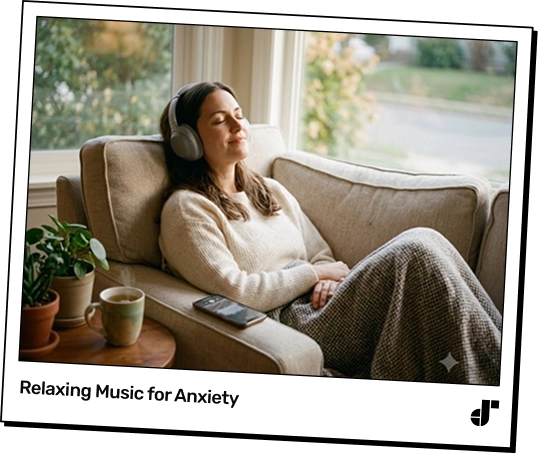
Quick Guide: Relaxing Music for Anxiety
- Best for:People experiencing daily stress, anxious thoughts, meditation sessions, or quiet evening routines.
- Key Features:Slow tempos, instrumental arrangements, ambient textures, and minimal rhythmic variation.
- Scenarios:Meditation, breathing exercises, working from home, reading, sleep preparation, and stressful moments.
- Benefits:It helps promote relaxation, reduce mental tension, and create a more peaceful listening environment.
Top Picks: Relaxing Music for Anxiety
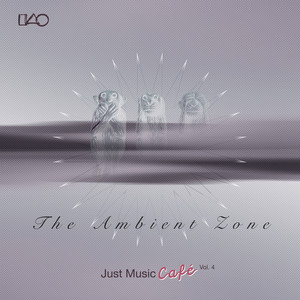
01Weightless
Ambient
Relaxation
+


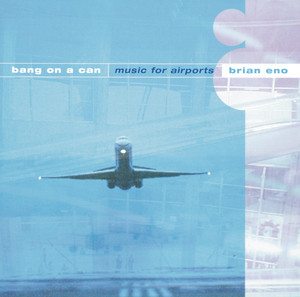
02Music for Airports
Ambient
Minimal
+
03Spiegel im Spiegel
Minimalism
Classical
+

04River Flows in You
Piano
Contemporary Classical
+

05Divenire
Neo-Classical
Piano
+

Pro Solution
Create Your Personal Calm Playlist
Download and build a relaxing playlist that helps you unwind, ease everyday stress, and enjoy peaceful moments wherever you are.
- 320kbps Quality
- Batch Download
- 100% Secure

Why Relaxing Music May Help Reduce Anxiety
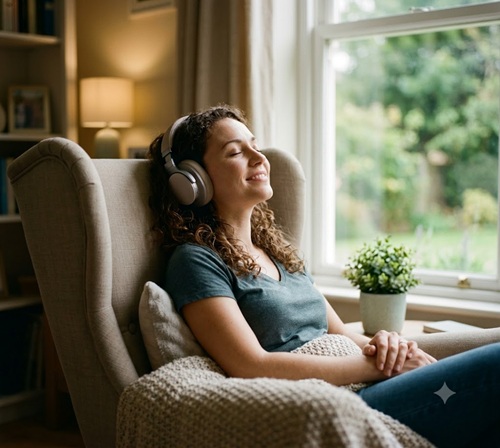
Relaxing music can support emotional well-being by creating a calm listening environment that encourages slower breathing, reduces mental stimulation, and promotes a greater sense of relaxation during everyday stressful situations.

"Listening to calming music may help regulate physiological responses to stress, encouraging relaxation and supporting emotional well-being when combined with healthy coping strategies."


Joanne Loewy
Music Therapist
Calm the Nervous System
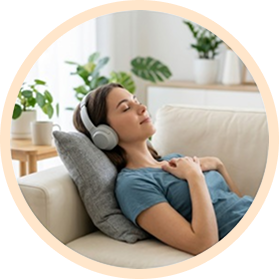
Slow, predictable music may help reduce physiological arousal and encourage a more relaxed state.
Quiet Racing Thoughts
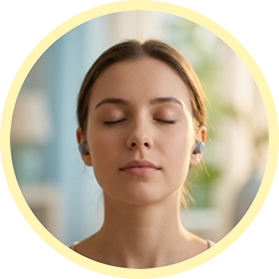
Gentle instrumental music provides a calming auditory focus that can help reduce mental distraction.
Support Relaxation Routines
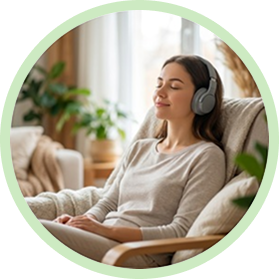
Regularly listening to calming music can become part of a consistent mindfulness or stress-management routine.
How We Choose the Best Relaxing Music for Anxiety
Every track in this playlist is selected using principles from music therapy research, relaxation psychology, and listening behavior to support calm, distraction-free experiences.
Slow Tempo
We prioritize music with gentle pacing that naturally encourages slower breathing and a more relaxed state of mind.
Minimal Distractions
Tracks with few dynamic changes, no harsh percussion, and limited vocal elements are preferred to maintain a peaceful atmosphere.
Emotionally Balanced Sound
We select music that feels soothing and reassuring without becoming overly dramatic or emotionally overwhelming.
Long Listening Comfort
Each piece is suitable for extended listening during meditation, work breaks, bedtime routines, or quiet relaxation sessions.
Pro Tips for Using Relaxing Music for Anxiety
Small adjustments to your listening habits can make calming music even more effective as part of your daily wellness routine.
01

Start Before Stress Builds
Play relaxing music before stressful situations or busy periods to create a calmer emotional baseline.
02

Keep the Volume Gentle
A soft listening level is generally more relaxing than loud playback and helps maintain a comfortable atmosphere.
03

Pair Music with Deep Breathing
Combining calming music with slow breathing or mindfulness exercises can enhance the overall relaxation experience.
04

Build a Consistent Playlist
Using familiar tracks regularly can help reinforce a sense of comfort and routine over time.
Frequently Asked Questions about Relaxing Music for Anxiety
What is the best music for anxiety relief?
Slow instrumental, ambient, piano, and gentle classical music are among the most popular choices for promoting relaxation.
Can relaxing music reduce anxiety?
Many people find that calming music helps them feel more relaxed and supports stress management, although it is not a substitute for professional care when needed.
Is classical music good for anxiety?
Yes. Soft classical pieces with slow tempos are widely used in relaxation and mindfulness playlists.
How long should I listen to relaxing music?
Many people listen for 20–60 minutes during meditation, work breaks, or before bedtime, depending on their routine.
Should relaxing music have lyrics?
Instrumental music is generally preferred because lyrics can sometimes draw attention away from relaxation.