Baby Sleep Music: How to Choose & Top Playlists 2026
-
 Baby Lullabies
 -
Infant Sleep
-
White Noise
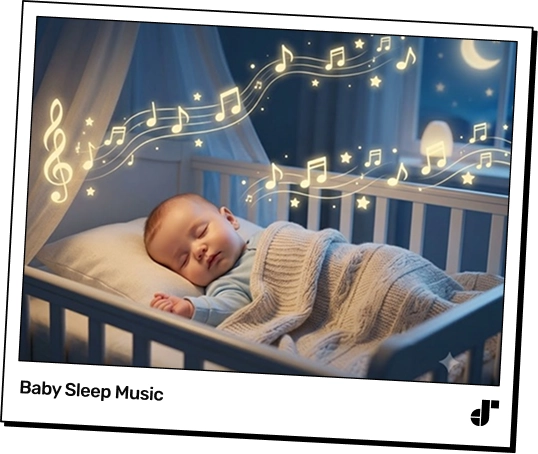
Quick Guide: Baby Sleep Music
- Best for:Newborns, infants, and toddlers who need gentle support during bedtime, nap time, travel sleep, or night waking.
- Key Features:Soft lullabies, music box tones, white noise, gentle piano, repetitive melodies, and low-stimulation sound design.
- Scenarios:Bedtime routines, daytime naps, feeding-to-sleep transitions, stroller naps, travel, and calming after nighttime wake-ups.
- Benefit:It helps create a familiar sleep cue, mask sudden household noise, and support a calmer transition into rest.
Top Picks: Baby Sleep Music
01Baby Lullaby
Lullaby
Infant Sleep
+


02Baby Sleep Music
Newborn
Sleep Aid
+
03Clean White Noise
White Noise
Loopable
+

04Calm Piano with White Noise
Piano
White Noise
+
05Gentle Rain Fall
Rain Sounds
Baby Sleep
+
Pro Solution
Make Baby Sleep Time More Peaceful
Download and create a gentle baby sleep playlist with lullabies, white noise, and soft sounds for calmer naps and bedtime routines.
- 320kbps Quality
- Batch Download
- 100% Secure

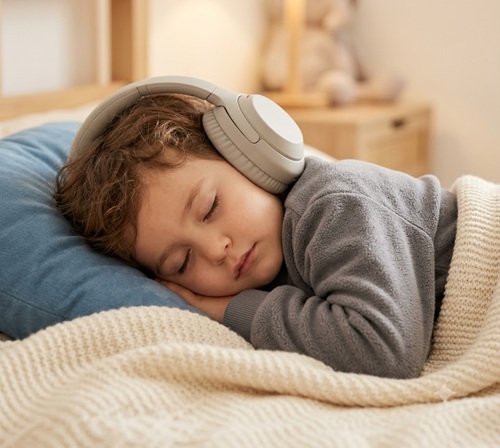
Why Baby Sleep Music Helps Babies Rest Better
Baby sleep music works best when it creates a consistent, low-stimulation sound environment that helps babies feel safe while reducing sudden noise changes around them.

Gentle, consistent sounds can be useful as part of a baby’s sleep routine, but volume and distance matter: keep sound low, place devices away from the crib, and avoid using loud audio near infants.


Sophie Miller
Infant Wellness Specialist
Create a Familiar Sleep Cue
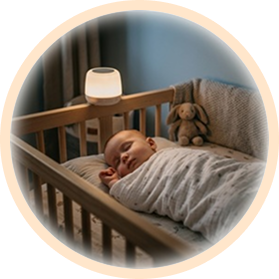
Repeating the same lullaby or sound at bedtime can help babies associate the audio with rest and nighttime routines.
Mask Sudden Household Noise
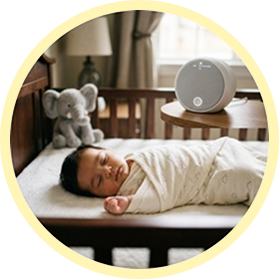
Soft white noise or rain sounds can reduce the impact of unexpected household sounds that may disturb light sleepers.
Support Calmer Transitions
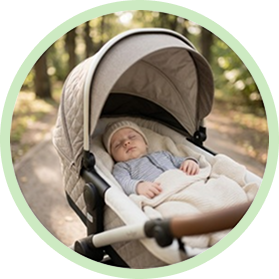
Gentle music can make feeding, rocking, stroller naps, and night waking feel more settled and predictable.
How We Choose the Best Baby Sleeping Music
Every track in this baby sleep playlist is selected based on newborn and infant listening needs, bedtime routine suitability, and safe calming sound principles.
Gentle Tempo
We prioritize slow lullabies, soft piano, and steady ambient tracks that help create a relaxed sound environment without stimulating babies.
Simple Patterns
Tracks with repetitive melodies and predictable phrasing are easier to use consistently during bedtime, naps, and night waking.
Soft Sounds
We choose music box tones, gentle piano, rain sounds, and smooth white noise because they feel less intrusive than dramatic vocals or fast rhythms.
No Startling Elements
We avoid sudden volume changes, sharp percussion, abrupt endings, or overly bright sounds that could startle babies during light sleep.
Pro Tips for Better Using Baby Sleep Music
Using baby sleep music safely and consistently can make it more helpful as part of a calm bedtime or nap routine.
01

Keep Volume Very Low
Baby sleep music should stay soft and background-level, especially because infants are sensitive to prolonged or loud sound exposure.
02

Place Speakers Away from the Crib
Keep phones, speakers, or sound machines at a safe distance from the baby’s sleep space rather than close to the head or crib rail.
03

Start Before Sleep Time
Begin playing lullabies or white noise before your baby becomes overtired so the sound becomes part of a calm wind-down routine.
04

Use Simple, Repeatable Playlists
A familiar playlist with fewer track changes helps avoid sudden shifts that may interrupt settling or light sleep.
05

Choose Ad-Free Playback
Offline or ad-free playback prevents sudden ads, buffering, or notifications from startling your baby during sleep.
Frequently Asked Questions about Baby Sleep Music
What is the best baby sleep music?
Gentle lullabies, soft piano, music box melodies, rain sounds, and low-volume white noise are commonly used for baby sleep routines.
Can baby sleep music help newborns sleep?
It may help create a calmer sleep environment, but newborn sleep is naturally irregular, and music should be used as part of a safe, consistent routine. HealthyChildren.org notes that babies do not usually have regular sleep cycles until about 6 months of age.
Is white noise safe for babies?
White noise can be used carefully, but it should be kept low, placed away from the baby, and not played too loudly or too close to the crib. The AAP-published study on infant sleep machines highlights potential sound-level risks when devices are used close to infants.
Should baby sleep music play all night?
Some families use continuous low-volume sound, while others prefer a timer; the safest approach is to keep the volume low and watch how your baby responds.
What is better for babies: lullabies or white noise?
Lullabies can feel emotionally comforting, while white noise is useful for masking household sounds; many parents use different options depending on naps, bedtime, and travel.