Sleep Music for Kids: How to Choose & Top Playlists 2026
-
 Bedtime Music
 -
Kids Sleep
-
Gentle Lullabies
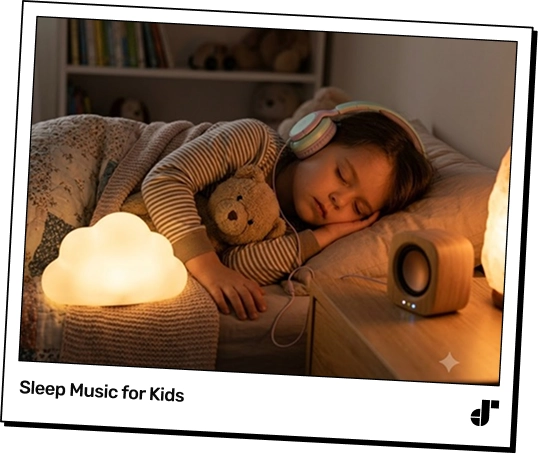
Quick Guide: Sleep Music for Kids
- Best for:Children who need help relaxing before bed, settling after busy days, or following a consistent nighttime routine.
- Key Features:Slow tempo, soft melodies, predictable repetition, gentle instrumentation, and minimal lyrical distraction.
- Scenarios:Bedtime routines, nap time, night waking, travel sleep, classroom rest time, and quiet family evenings.
- Benefits:It helps reduce bedtime resistance, create a sense of safety, and support a calmer transition into sleep.
Top Picks: Sleeping Music for Kids
01Twinkle Twinkle Little Star
Lullaby
Kids Classic
+


02Somewhere Over the Rainbow
Gentle Vocal
Comfort
+

03Gymnopédie No. 1
Calm Piano
Classical
+

04Clair de Lune
Classical
Soft Piano
+

05Dreamy Sleepscape
Kids Sleep
Ambient
+
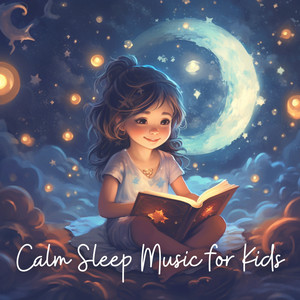
Pro Solution
Make Bedtime Calmer for Kids
Download and create a soothing sleep playlist for children and enjoy smoother bedtime routines with gentle, uninterrupted music.
- 320kbps Quality
- Batch Download
- 100% Secure


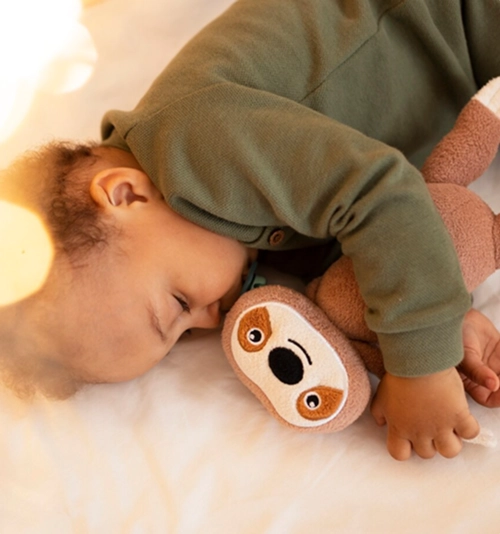
Why Sleep Music Helps Kids Rest Better
Sleep music helps children relax by creating a familiar sound environment that signals bedtime, reduces overstimulation, and makes nighttime routines feel safer and more predictable.

"Familiar, gentle sounds can help calm a child's nervous system and support a more restorative bedtime routine when used consistently and at a safe volume."


Samuel Heitner
Family Wellness Specialist
Calm Bedtime Transitions
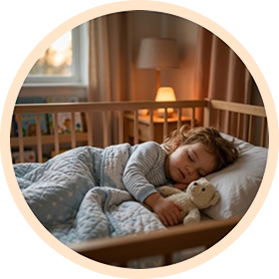
Soft, repetitive music helps children shift from active play or screen time into a slower, more restful evening rhythm.
Reduce Nighttime Stress
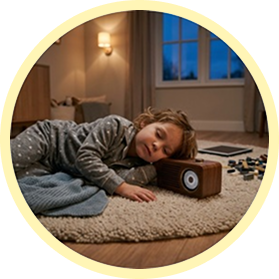
Gentle lullabies and white noise can provide a comforting sound layer that helps children feel more secure at bedtime.
Support Sleep Routines
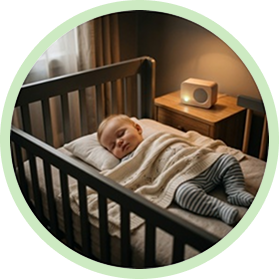
Using the same calming playlist each night can become a familiar sleep cue that reinforces consistent bedtime habits.
How We Choose the Best Sleep Music for Kids
Every track in this playlist is selected based on child-friendly listening needs, bedtime routine suitability, and calming audio principles that support relaxation without overstimulation.
Gentle Tempo
We prioritize slow, steady music that helps children naturally wind down instead of becoming more alert or energetic.
Simple Melodies
Songs with clear, repetitive melodic patterns are easier for children to recognize and can feel more comforting before sleep.
Soft Sounds
We choose gentle piano, music box, soft strings, ambient pads, and light nature sounds that create a peaceful bedtime atmosphere.
No Startling Elements
Tracks with sudden volume jumps, intense percussion, dramatic vocals, or fast rhythm changes are avoided because they may interrupt relaxation.
Pro Tips for Better Kids' Bedtime Music
Using sleep music thoughtfully can make it more effective as part of a calm, predictable nighttime routine for children.
01

1. Start Before Bedtime
Begin playing sleep music 20–30 minutes before lights out so children have time to gradually slow down and transition into rest.
02

2. Keep the Volume Low
Music should stay soft and background-level, similar to gentle room ambience, rather than becoming the main focus.
03

3. Use the Same Playlist Nightly
Repeating a familiar playlist can help children associate the music with safety, comfort, and sleep preparation.
04

4. Set a Sleep Timer
A timer can prevent music from playing too long overnight while still supporting the initial falling-asleep stage.
Frequently Asked Questions about Sleep Music for Kids
What is the best sleep music for kids?
Gentle lullabies, soft piano, music box melodies, white noise, and calm nature sounds are usually best for helping children relax before sleep.
Can sleep music help toddlers fall asleep faster?
Yes, many toddlers respond well to familiar bedtime music because it creates a predictable routine and signals that it is time to rest.
Should kids sleep with music all night?
It can be safe at low volume, but many families prefer using a sleep timer so music helps with sleep onset without playing continuously all night.
How loud should kids' sleep music be?
Keep it soft and background-level, ideally quiet enough that it does not cover normal breathing or household sounds entirely.
Is white noise or lullaby music better for children?
Both can work; white noise is useful for masking outside sounds, while lullabies may feel more emotionally comforting and familiar.