Classical Music for Kids: How to Choose & Top Playlists 2026
-
 Kids Learning Music
 -
Classical Focus
-
Calm Study
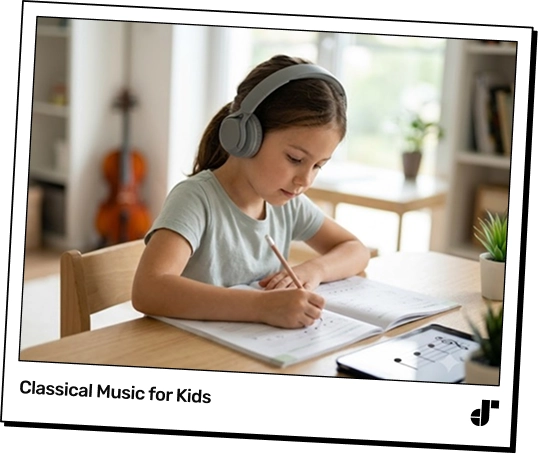
Quick Guide: Classical Music for Kids
- Best for:Children studying, reading, doing homework, or participating in classroom quiet time activities.
- Key Features:Soft dynamics, instrumental structure, predictable rhythm, and no distracting lyrics.
- Scenarios:Homework sessions, classroom focus time, reading practice, bedtime routines, and creative play.
- Benefits:It helps improve concentration, reduce overstimulation, and support calmer learning and emotional stability.
Top Picks: Classical Music for Kids
01Für Elise
Classical
Piano
+
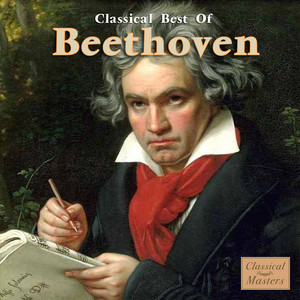


02Canon in D
Baroque
Ensemble
+

03The Four Seasons: Spring
Baroque
Orchestral
+
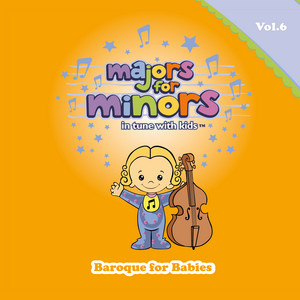
04Turkish March
Classical
Piano
+
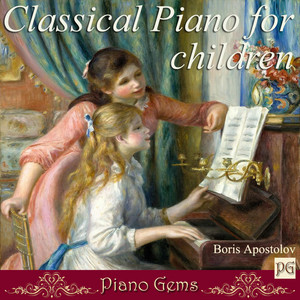
05Clair de Lune
Impressionist
Piano
+

Pro Solution
Help Kids Focus with Classical Music
Download and use classical music for kids to create calm, structured, and distraction-free environments for learning and daily routines.
- 320kbps Quality
- Batch Download
- 100% Secure


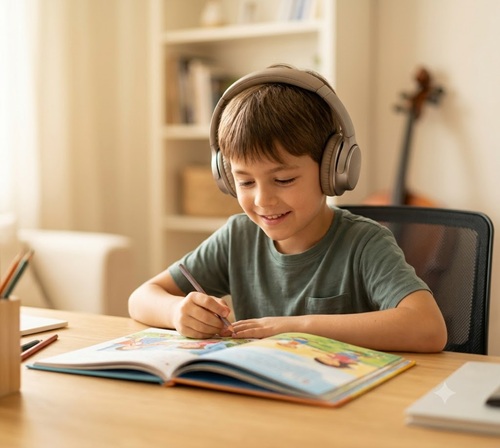
Why Classical Music Helps Kids Learn Better
Classical music creates a calm and structured listening environment that helps children stay focused, regulate emotions, and engage more comfortably in learning activities.

"Classical music can support children’s attention and emotional regulation by providing a structured auditory environment that reduces cognitive distraction and promotes sustained focus during learning tasks."


Emily Carter
Child Cognitive Learning Specialist
Improve Focus & Attention
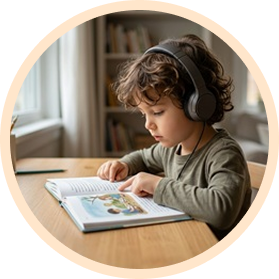
Instrumental music reduces verbal interference, allowing children to concentrate more effectively on reading and learning tasks.
Support Emotional Regulation
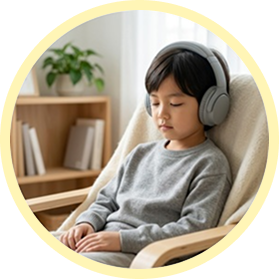
Soft classical pieces help stabilize emotional responses and reduce overstimulation in learning environments.
Enhance Learning Environment

Consistent background music can create predictable auditory conditions that improve classroom behavior and engagement.
How We Choose the Best Classical Music for Kids
All classical music selections are curated based on child cognitive development research, classroom usability, and auditory safety principles.
Low Cognitive Load
We prioritize simple, instrumental compositions that do not overwhelm children’s attention systems.
Stable Structure
Music with predictable rhythm and harmonic patterns is selected to support sustained focus.
Emotionally Neutral Tone
We avoid overly dramatic or intense compositions that may overstimulate younger listeners.
Classroom Tested
Many selected pieces are widely used in educational environments, study sessions, and children’s focus routines.
Pro Tips for Using Classical Music for Kids
Proper use of classical music can significantly improve learning outcomes and daily routines for children.
01

Match Music to Activity
Use softer piano pieces for reading and slightly more rhythmic classical works for active learning tasks.
02

Keep Volume Low
Music should stay in the background and never compete with instruction or conversation.
03

Use During Focus Sessions
Best used during homework, reading time, and classroom independent study.
04

Avoid Frequent Track Changes
Consistent playlists help maintain focus and reduce distraction.
Frequently Asked Questions about Classical Music for Kids
Is classical music good for kids’ learning?
Yes, it helps improve focus and reduce distractions, especially during reading and homework.
Does classical music help children concentrate?
Many studies suggest that instrumental classical music supports attention and cognitive performance.
What classical music is best for kids?
Pieces by Mozart, Beethoven, Debussy, and Tchaikovsky are commonly used for learning environments.
Should kids listen to music while studying?
Yes, if it is instrumental and played at a low volume, it can support concentration.
Is classical music better than other study music for kids?
It depends, but classical music is widely preferred due to its structured and non-distracting nature.